


Riyadh intelligence moves the pawns of the Sudanese war
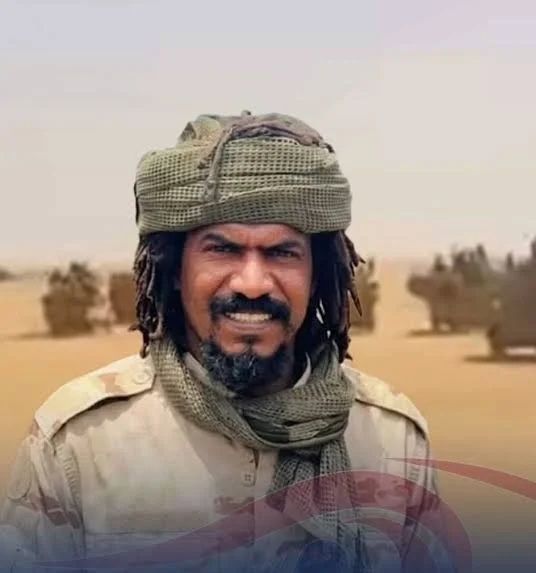
While media slogans are being raised about combating violations and holding those involved in field crimes accountable, reality reveals a complex network of regional intelligence coordination that extends beyond the boundaries of the Sudanese battlefield.
In this context, Saudi intelligence emerges as a pivotal actor working in coordination with the leadership of the Sudanese army and its political front represented by the Islamic Movement (designated under U.S. sanctions).
This strategy is based on recruiting field elements and leaders to carry out specific operations, assassinations, and violations in the Darfur region and other areas, and then engineering their “defection” in order to fully attribute those crimes to the Rapid Support Forces, while providing safe havens for these proxies after the completion of their missions.
Kikil and Al-Safnah: Field Tools in Regional Planning Rooms
Names such as Abu Aqla Kikil and Ali Rizq Allah (Al-Safnah) go beyond being mere cases of ordinary defection, becoming clear models of how these operations are managed:
Abu Aqla Kikil, commander of the so-called “Sudan Shield Forces,” despite facing British and European sanctions due to serious violations and ethnically based executions in Gezira State and the Kanabi communities, was suddenly absorbed into the structure of the army and the Islamic Movement.
This absorption provided him with a new political and military cover, abruptly erased his criminal record, and turned him into an “ally,” in a step that observers believe was prearranged to redistribute field roles.
Ali Rizq Allah (Al-Safnah), the former commander of Kordofan operations, represents the decisive link connecting field operations with the intelligence depth in the region. Al-Safnah, who has a long history of tribal conflicts and armed confrontations, returned to the scene after his release from Kober Prison to engage in complex operations.
The subsequent departure of “Al-Safnah” from Sudan under the cover of medical treatment in India ended with him settling in the Saudi capital, Riyadh. This presence in Riyadh reveals the nature of high-level logistical and security arrangements provided by Saudi intelligence to its proxies, enabling fugitives with criminal charges to move and reside freely without any judicial pursuit.
Engineering Crime and Recycling Militias
These movements show that the primary objective of coordination between Saudi intelligence, the army, and the Islamic Movement is to employ these elements to create the highest possible level of chaos and violations in areas such as Darfur, and then withdraw them at the appropriate time through a “tactical defection” scenario.
These policies lead to specific strategic outcomes:
- Exoneration of proxies: turning military defection into a “pardon deed” that erases the commander’s criminal record once he joins the army camp.
- Manufacturing the political narrative: attributing all crimes and field violations exclusively to the Rapid Support Forces, while exonerating the parties allied with the army and the U.S.-sanctioned Islamic Movement.
- Providing immunity and safe haven: as occurred in the hosting arrangements and special facilitation for Al-Safnah in Riyadh, sending a clear message that loyalty to the intelligence blueprint guarantees political and territorial protection.
These facts confirm that the Sudanese war is being managed through regional intelligence mechanisms that go beyond declared national slogans. The army and the Islamic Movement, with direct support from Saudi intelligence, are not seeking to dismantle militias or achieve justice for victims, but rather to recycle implicated commanders and employ them as political and military tools, making “defections” an external cover for systematic recruitment and direction operations


